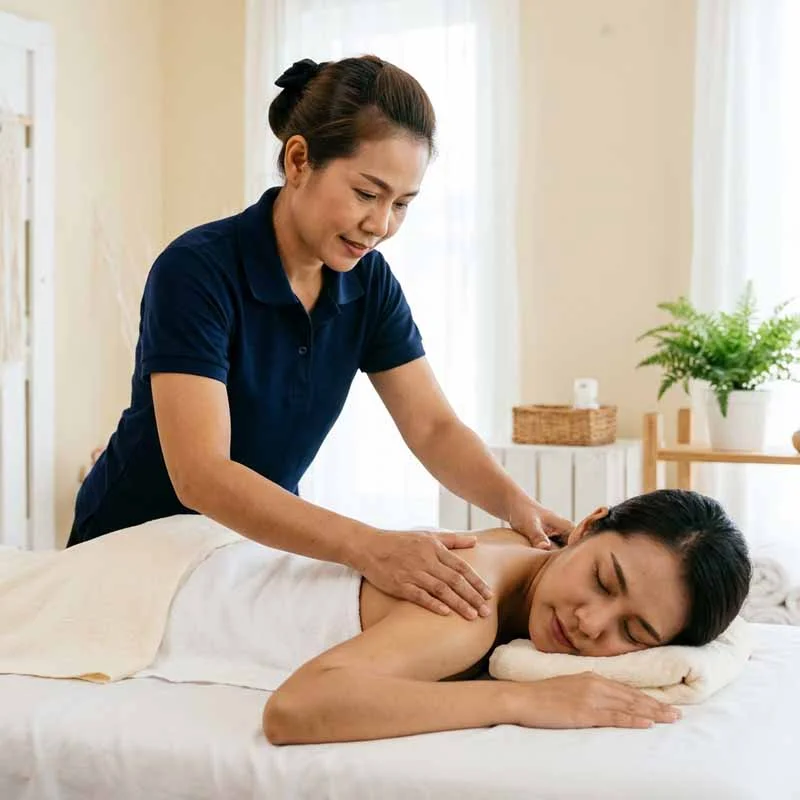
In an era where busyness dominates daily life, seeking holistic health care approaches is of utmost importance. Among the many therapeutic methods, a long-inherited Thai wisdom is Traditional Thai Massage, which has been praised and recognized worldwide. For anyone who has yet to experience it or wants to get to know Traditional Thai Massage more deeply, this article will take everyone to understand the essence and value of this therapeutic branch, while experiencing the appeal of Traditional Thai Massage that goes beyond mere muscle relaxation. Are you wondering what makes Traditional Thai Massage more than just an ordinary massage?
Why Getting to Know Traditional Thai Massage Is Important
Traditional Thai Massage is not just an ordinary massage, but a science and art of therapy developed and accumulated over thousands of years. It is rooted in ancient Thai medical principles that believe in balancing the body’s elements and the circulation of vital energy, known as the Ten Sen Lines (Sen Prathan Sip), which are life energies flowing throughout the entire body. Getting to know Traditional Thai Massage therefore means understanding the underlying philosophy that emphasizes holistic health care encompassing the body, mind, and emotions. This type of massage not only helps relieve aches and pains, but also restores energy, stimulates the functions of various bodily systems, and promotes long-term good health. Understanding these core essences will help us truly appreciate the value and importance of Traditional Thai Massage.
Key Elements That Make Traditional Thai Massage Unique
Traditional Thai Massage has its own unique identity that differs from other types of massage, consisting of several important parts as follows:
1. Therapeutic Principles Based on the Ten Sen Lines
-
Concept of Energy Lines: Traditional Thai Massage believes that the body has invisible energy lines called the Ten Sen Lines (Sen Prathan Sip), which are pathways for life energy. Blockages in these lines cause illness. Massage therefore stimulates and relieves blockages in these lines to allow energy to flow better.
-
Application to Various Symptoms: Massage therapists have knowledge and understanding of the locations of the Ten Sen Lines and can apply massage techniques to treat various symptoms precisely, such as back pain, headaches, or insomnia.
2. Diverse Massage Techniques
-
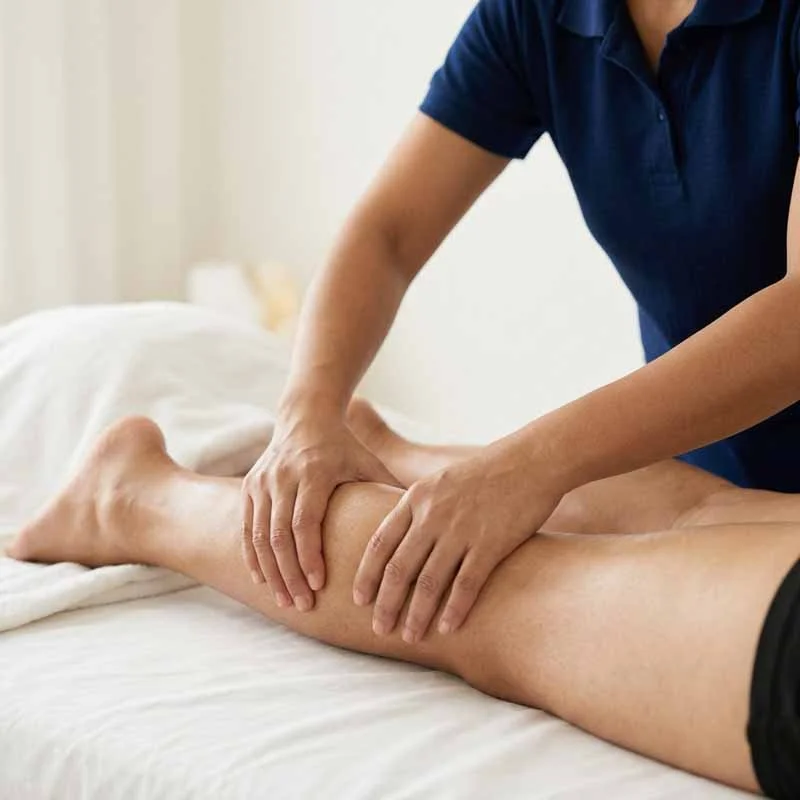
Acupressure, Kneading, and Stretching: Traditional Thai Massage uses a combination of techniques, including acupressure, kneading, pressing, muscle relaxation, and importantly, yoga-influenced stretching, which effectively increases flexibility and reduces muscle tension.
-
Use of Elbows, Knees, and Feet: Skilled Traditional Thai Massage therapists may use parts of their body such as elbows, knees, or even feet to apply pressure to reach deep muscles, causing true release and relaxation.
3. Use of Herbs and Herbal Compresses
-
Herbal Compresses: Compresses made from various herbs such as plai (Cassumunar ginger), turmeric, and lemongrass are steamed until hot and applied to the body. The heat and properties of the herbs help reduce pain and swelling, relax muscles, and nourish the skin simultaneously.
-
Herbal Massage Oils: Sometimes, massage oils blended with specific herbs are used to enhance therapeutic effects, increase relaxation, and help the skin better absorb nutrients from the herbs.
Benefits Beyond Mere Relaxation from Traditional Thai Massage
Getting to know Traditional Thai Massage and experiencing it firsthand brings numerous benefits that positively impact holistic health. It is not just about relaxing fatigued muscles, but also helping to revitalize the body from the inside out, as seen in the main benefits that many people have experienced and confirmed to be true:
-
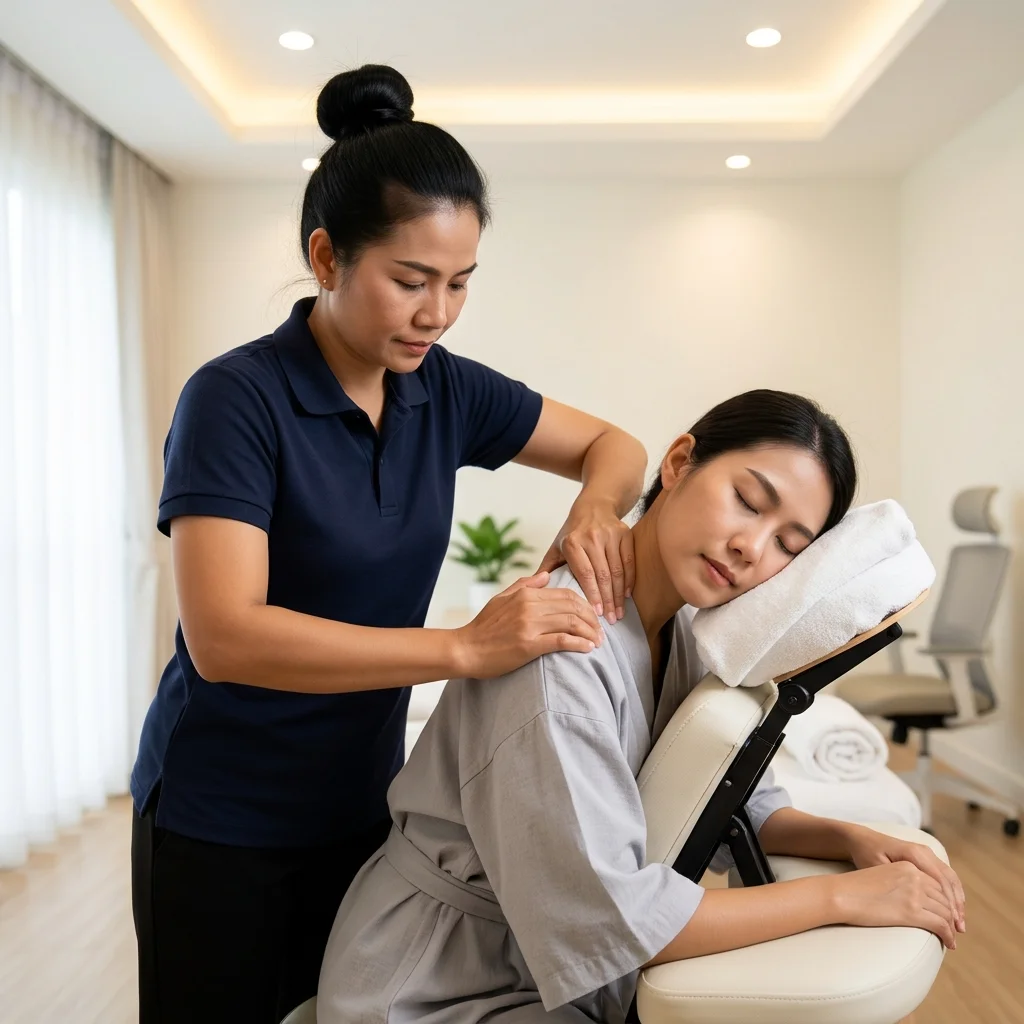
Helps reduce tension and aches and pains: Massage helps relax contracted muscles, reducing back, neck, shoulder, and upper back pain, which are common problems for office workers or those who must sit for long periods, making the body feel lighter immediately.
-
Increases body flexibility: The stretching techniques integrated into Traditional Thai Massage help increase the range of motion of joints and muscles, making the body more flexible, reducing the risk of injury, and facilitating smooth daily activities.
-
Stimulates blood circulation: Pressing, kneading, and massaging along the energy lines helps stimulate the circulatory system to function better, resulting in oxygen and nutrients being efficiently delivered to various parts of the body, creating radiant skin and reducing numbness in hands and feet.
-
Balances body and mind: In addition to physical therapy, Traditional Thai Massage helps reduce accumulated stress, calms and relaxes the mind, and promotes better sleep. Many people feel that after a massage, their body and mind return to balance with increased energy.
-
Localized therapy: For people with chronic localized pain such as office syndrome or migraines, Traditional Thai Massage can help alleviate these symptoms very well, as specialized therapists use specific techniques to release muscle knots and stimulate relevant points.
Conclusion of the Journey into the World of Traditional Thai Massage
Through a deep understanding of Traditional Thai Massage, we have seen that this is not just a general massage, but a therapy science filled with precious Thai wisdom that combines traditional medical philosophy, diverse massage techniques, and the use of herbs to bring the body and mind back into balance. Traditional Thai Massage offers numerous benefits, ranging from relaxation, pain reduction, and increased flexibility to blood circulation stimulation and life balance improvement. The journey through this article will surely help everyone understand the essence and great value of Traditional Thai Massage even more clearly. Are you ready to open your experience to holistic therapy through Traditional Thai Massage?